Heating

Installing your Wood Burning Stove Correctly

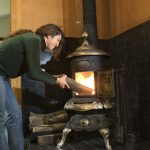
Woman putting firewood into wood stove

Wood burning stoves are an excellent way to help save energy whilst also making your home look beautiful. They need to be fitted correctly though, as there is a lot that could go wrong if the proper safety measures aren’t taken. This is essential for the safety of you and your family so make sure you read our guide and take everything into full consideration.

It is possible to install a wood burning stove yourself and the internet is full of guides to show you how it is done. We would recommend only doing this is you have plenty of experience. A little bit of DIY around the house isn’t really enough to make you able to fit a stove without the help of an expert. There are flue pipes to connect, fireplaces to line… it is really quite complicated.

If you do decide to fit your stove yourself, make sure you follow the instructions incredibly carefully. If you have any doubts at all, a professional installation will be safer, easier and will give you far more peace of mind.

Wood Stoves logs for sale

Woman putting firewood into wood stove

Logs are the most commonly used form of wood fuel in the world. When you’re looking for firewood logs for sale, it’s important to ensure that the products that you’re buying are of the highest quality possible. This means ensuring that your wood is dry enough to burn. Generally, firewood logs for sale that have a moisture level of more than 20% won’t be efficient and are damaging to the environment too. They can damage your chimney and cause excessive pollution when they are burned. Many people often choose the cheapest firewood for sale that they can get their hands on but can quickly come to regret their choice. used for both open fires and wood burning stoves. Most people source logs locally, for example through tree surgeons, farmers or coal merchants. However, some fuel suppliers offer nationwide delivery of logs either by the pallet or in large bags.

It can be difficult to work out whether you are getting a good deal when buying firewood. Unlike coal and smokeless fuel, which must be sold in defined weights under the Weights and Measures Act, wood is usually sold by the bag or by lorry-load. This makes it difficult to compare prices between suppliers. In addition, the performance of logs as a fuel varies a lot depending on moisture content and the type of wood.

Wood Burning Fires – the Pros and Cons

Young woman eating by fire

Many people dream of living in a home with a real, wood burning fire. There is something so atmospheric about the crackling flames and the woody smell. However, more realistic homeowners also realise that wood burning fires can take a lot of work. Here, we weigh up the pros and cons to help you make your decision:

Pros

  • Aesthetics. There is no denying a wood burning fire looks gorgeous in any room. It creates a certain atmosphere that other methods of heating your home simply cannot compare to.
  • Versatility. A wood burning fire will look good in any type of property, whether it’s modern or traditional. There are lots of different designs available to meet with different people’s preferences.
  • Environmental factors. Burning your own sustainably-sourced fuel is much better for the environment than using central heating systems. Wood is a renewable fuel, so far more environmentally friendly than fossil fuels.
  • Self sufficiency. It’s very rewarding to know that you’re able to heat your home independently.

Cons

  • Availability of fuels. If you live in a city, it might be more difficult for you to source fuels than for someone living in the countryside. Your best bet is to find a reliable and cost-effective company who can deliver your fuels for you.
  • Cost of installation. It isn’t cheap to install a wood burning fire. You will need to think about structural aspects like chimneys as well as the fire itself.
  • Maintenance. You will need to clean out the fireplace on a regular basis, as well as having your stove serviced to ensure everything stays in good working order.

The Eco-Friendly Way of Heating a Building

Woman Renovating her Home and Relaxing with Cup of Tea

Renewable fuels are the way forward when it comes to heating homes and businesses. Fossil fuels are finite, and we need to find new solutions for heating our buildings effectively. Burning fuel in a specially-designed burner can be an excellent way to heat your home without the need for central heating.

There are many different wood burning stoves to choose from, so it will be easy to select one that works for your building. You can choose from a variety of sizes depending on the space you need to heat. It will provide you with plenty of heat using completely renewable sources.

Make sure you specifically choose renewable options when purchasing your fuels. There are lots of different types of wood available, so ensure that yours comes from a sustainable source. One of the best options is to choose renewable wood chips, pellets or briquettes. These are made from scrap and recycled wood, and offer excellent value for money. In fact, briquettes will usually deliver even more heat efficiency than logs making them an excellent all-round option.

The other option is to obtain your own wood. You can collect scrap wood or even use wood from your own garden. You may need additional products like a chopping block and storage space, but it can be very rewarding to heat your home self-sufficiently.

How to Manage Your Plumbing and Heating in Rented Accommodation

Rented accommodation will provide you with everything you need in terms of plumbing and heating, and it is usually your landlord’s responsibility to maintain it. Here are some tips for managing your plumbing and heating whilst living in rented accommodation:

  1. Check your contract thoroughly when you move in. You will need to know exactly what you are responsible for. Some tenancies will include water bills, but many will not, so it’s best to be as thorough as you can.
  2. Make yourself familiar with how everything works. Get your bills set up properly and make sure you know how your boilers and radiators operate. Check the manuals to ensure that you’re not making mistakes and ask someone if you have any questions.
  3. Keep a close eye on everything. Check your boiler is still working as it should be and make a note of anything that might be concerning you.
  4. Let the landlord know immediately if you have any problems with your heating or plumbing systems. If you want to get it fixed as quickly as possible, you will need to have informed the right people straight away. Be proactive about chasing it up as well – landlords and property agents are busy people and you don’t want your issue to slip through the net.
  5. Make sure you have an emergency number. You need to know that you’ll be able to get hold of someone who is able to help if something goes wrong at any time of the day or night.